Published on Thursday, 20 August 2026 at 2:54:06 PM
Your annual report is finished. Now, how do you get it in front of the right people?
Producing your annual report is just the first step. After months of collecting data, writing stories, gathering financial information, designing pages and getting approvals, you finally have a document that showcases your organisation’s achievements, impact and progress over the past year.
But is an annual report sitting on your website, or collecting dust on a shelf going to do what you need it to do?
Your annual report is one of your biggest communications and marketing assets of the year. It tells the story of where your organisation has been, what it has achieved and where it is heading next. The next step is making sure the right people actually see it.
The good news is that you don't need a huge marketing budget to maximise the value of your annual report. With the right distribution strategy, a single report can become months of content, strengthen stakeholder relationships, support funding conversations and showcase your organisation's work to the people who matter most.
Here are nine practical ways to get more eyes on your annual report and make it work harder for your organisation.
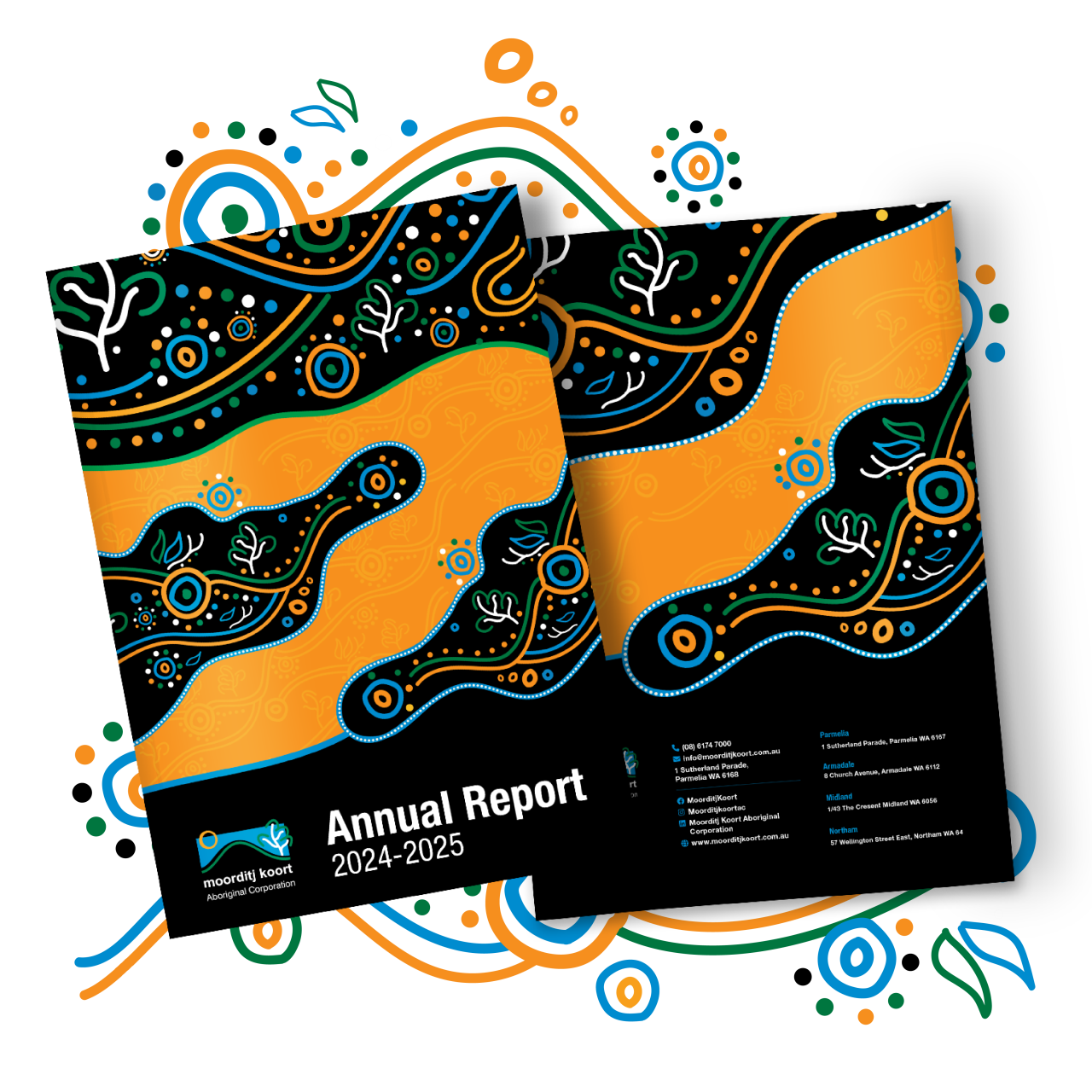
1. Make your annual report easy to find
The first step is simple; you want to make sure people can access your report.
Your annual report should have a clear and permanent home on your website. Don't bury it three clicks deep or make people search for it. Create a dedicated Annual Reports page where people can find the current report as well as previous years and consider including a short introduction explaining what the report covers and highlighting a few key achievements. You can showcase your organisations evolution using thumbnail images that highlight your growth and capabilities.
You should also make the report easy to share. A well-designed PDF can be downloaded, emailed and shared with stakeholders, while a web version or landing page can make key information more accessible and provide additional opportunities for search visibility. If you want to go the extra step, a dynamic digital flipbook will allow your audience to engage with the content online, but the way the report was intended to be read. Most importantly, make the report easy to find from your main website navigation and search engine results.
2. Give your stakeholders a reason to read it
Don't simply send someone an email saying: “Our 2026 Annual Report is now available. Click here to read it.”
You've spent months creating the report and now you need to give people a reason to open it. Pull out the most interesting statistics, stories and achievements and use them to create a series of communications.
For example:
- “We supported more than 2,000 people this year.”
- “Our team grew by 25% to meet increasing demand.”
- “We delivered 12 new community programs across WA.”
These individual stories can then lead people back to the full report. Think of your annual report as the source material for a much larger content campaign, rather than a single PDF that gets published once a year.
3. Use your annual report across social media
Your annual report can provide weeks or even months of social media content. Instead of posting the entire report once, break it down into individual stories. For organisations operating in a professional or B2B environment, LinkedIn can be particularly valuable for getting your key information out there.
Your annual report can help demonstrate that your organisation isn't just delivering services or products, it understands its sector, measures its impact and is contributing to the broader conversation. Share insights from the report rather than simply promoting the report itself.
You could create:
- Key achievement statistics
- Client or community stories
- Project highlights
- Financial milestones
- Team achievements
- New initiatives
- CEO or Chair messages
- Industry insights
- Quotes from stakeholders
- “By the numbers” graphics
- Behind-the-scenes content
- Looking-ahead content
This approach also makes your annual report more accessible. Not everyone will read a 50-page document, but they may stop scrolling when they see an interesting statistic or compelling story. Always provide a clear link back to the full report for people who want to learn more.
4. Send it directly to your key stakeholders
Some of the most important people who need to see your annual report aren't necessarily going to find it through social media. Make a list of your priority stakeholders and send them a personalised email or go a step further and consider printed copies with a personalised letter, it’s an impactful way to thank your supporters and show your success to those in your industry.
- For a funding body, you might highlight the outcomes achieved through their support.
- For a corporate partner, you could acknowledge their contribution and share the impact of your partnership.
- For a government representative, you might highlight the work delivered in their electorate or community.
- For an industry peer, you could draw their attention to a new initiative, research finding or industry insight.
The report provides the detail, but your email provides the context for why they should care.
5. Give your employees a role in sharing it
Your employees are some of your most credible advocates. Once the annual report has been published, give your team some easy-to-share content. This could include key statistics, graphics, quotes or links to stories they were involved in. You could also encourage individual team members to share their favourite achievement from the year. At the end of the day if an employee has been quoted or referenced in a report, they will want to showcase it.
For example: “One of the projects I'm most proud of this year was”
This makes the annual report feel less like a corporate publication and more like a reflection of the people behind the organisation. It also gives your employees an opportunity to celebrate their contribution.
6. Turn the annual report into a media opportunity
Your annual report may contain stories that are genuinely newsworthy. Look for statistics, trends, milestones or achievements that could be relevant to the media or your industry publications. Rather than sending journalists the entire annual report and hoping they find something interesting, identify the strongest story and build a media pitch around it.
For example:
- “New report reveals growing demand for community services across regional WA.”
- “Local organisation reaches record number of people as demand for services increases.”
The annual report becomes the evidence behind the story and could start or deepen relationships with journalist who may know who you are, but not what you do.
7. Use it in your next funding or partnership conversations
An annual report is also a powerful business development tool. If you're seeking funding, sponsorship, partnerships or new opportunities, your latest annual report provides a credible snapshot of your organisation. It demonstrates what you have achieved, how you operate and the value you can deliver over a period of time.
Include it, or variations of the information within it, in funding submissions, partnership proposals and stakeholder presentations where appropriate. Rather than telling a prospective partner what you could achieve, your annual report allows you to show them what you have already achieved.
8. Don't forget government and elected representatives
If your organisation works with government departments, local governments or elected representatives, your annual report provides an opportunity to demonstrate the value of the work being delivered. Consider sending a short, personalised message to relevant representatives and highlighting the achievements that are most relevant to their community or portfolio. You could also offer to meet with them to discuss the findings or key outcomes.
The goal isn't simply to hand over a document. It's to use the report as a conversation starter. When dealing with governments and represented officials, it’s always recommended to provide both a physical and digital copy. If the physical copy ends up on the coffee table of a local representative’s office, that’s brand exposure you can’t buy.
9. Keep talking about it
One of the biggest mistakes organisations make is treating their annual report as a one-day communications event. You publish it, send an EDM, make one social media post and move on.
Instead, think about how you can use the report throughout the year. If your annual report contains 10 strong stories, that's 10 opportunities to communicate your impact. If it contains five significant statistics, those could become five social posts. If it identifies an emerging industry trend, that could become a blog, webinar or thought leadership piece. If it celebrates a major project, that could become a case study. The report doesn't have to end when the reporting year does.
Your annual report is more than a report
An annual report is often treated as a compliance document, something that needs to be produced, approved and published. But it can be so much more than that. It is your organisation's biggest opportunity to tell the story of the year. It demonstrates your impact. It celebrates your people. It provides evidence of your success. It gives stakeholders confidence in your organisation. And it creates a library of content that you can use across your communications for months to come.
So, once you've finished your annual report, don't put it in a folder and forget about it.
Share it. Break it down. Talk about it. And use it to start conversations with the people who matter most to your organisation.
Because while producing your annual report tells your story, distributing it right ensures the right people hear it.
Discuss Your Annual Report Project
Back to All News